





Winter Deals • Trade in your Working GNSS Sensors • Up to £2025 Savings
0

GNSS Sensors & Surveying Rovers

What Are CHCNAV GNSS Sensors?

What They Do

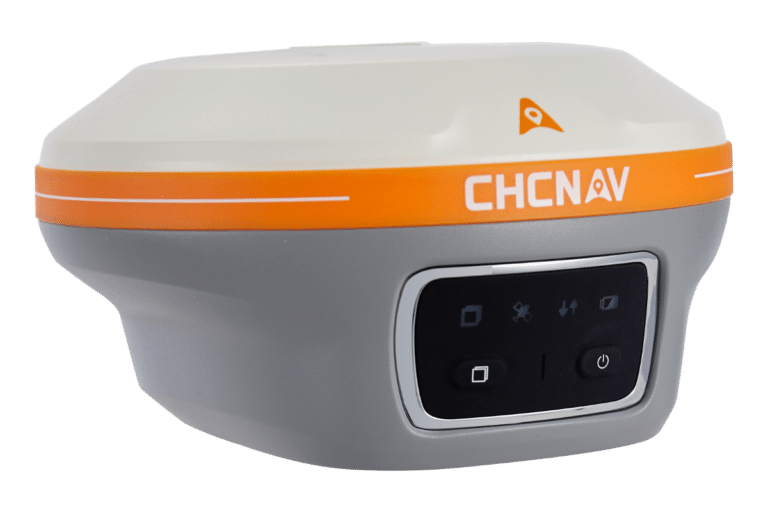
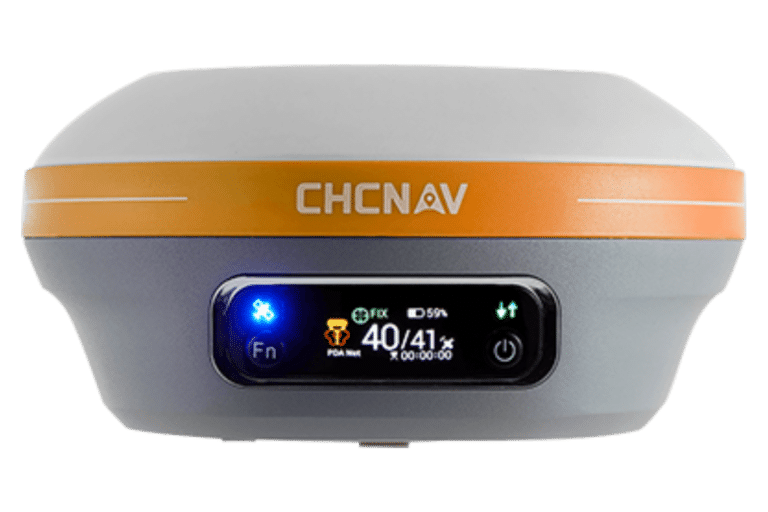
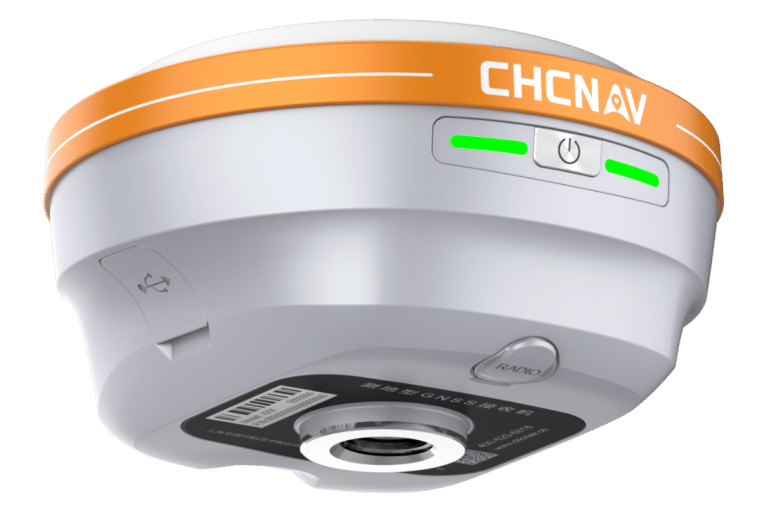
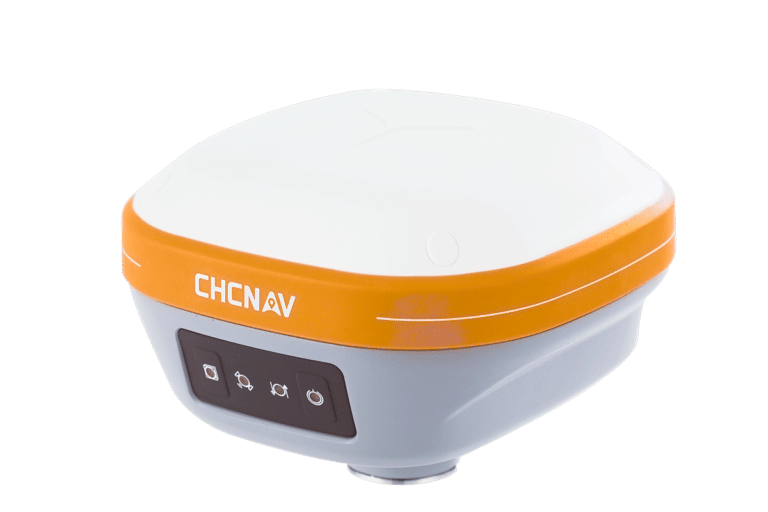
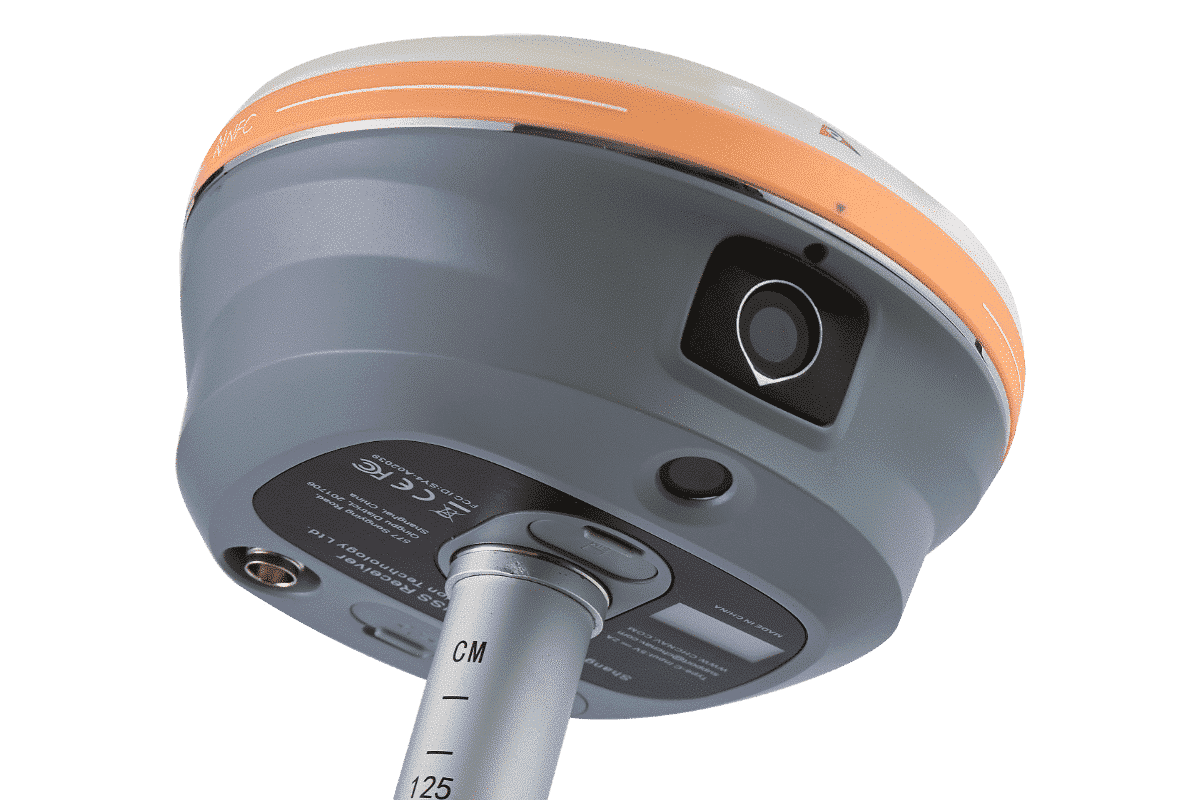
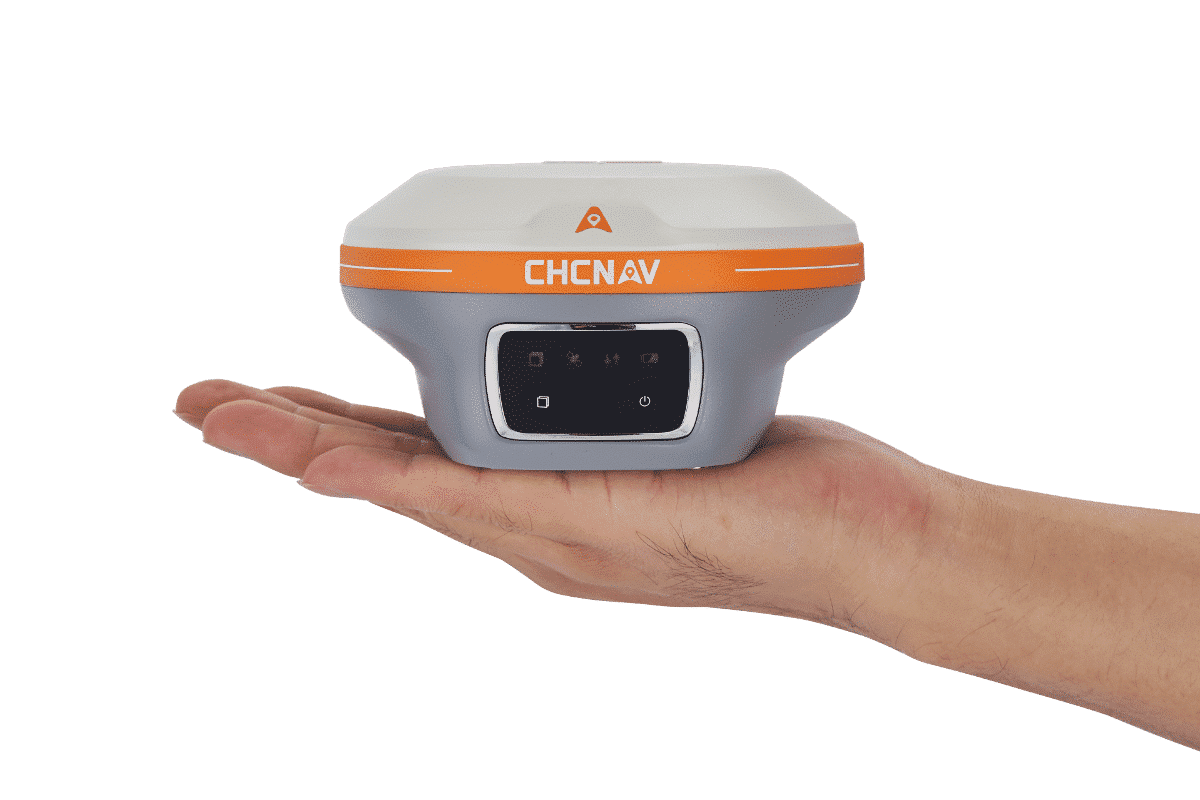
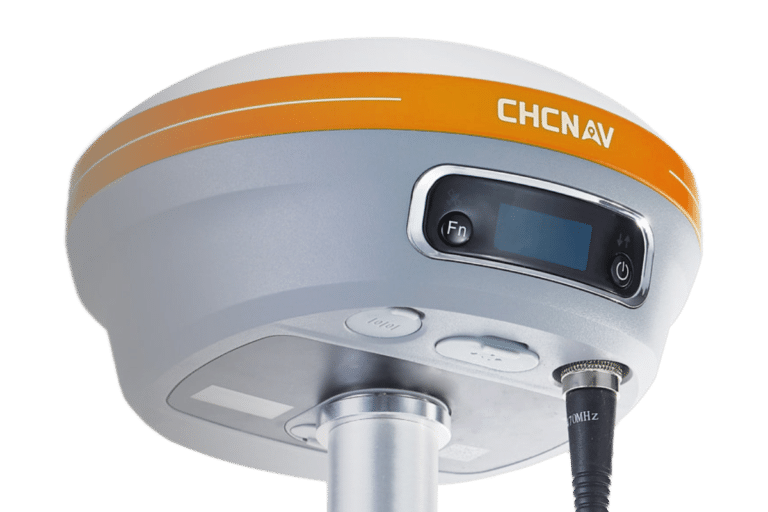
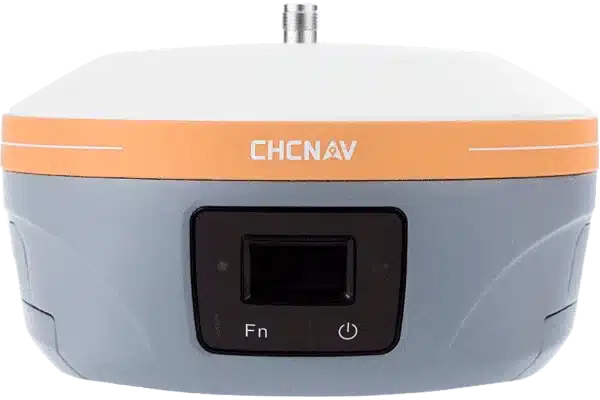
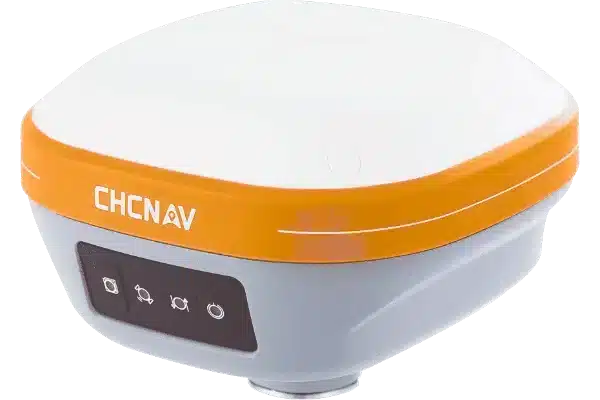
GNSS sensors (Global Navigation Satellite System sensors) are advanced devices used to determine precise geographical locations by receiving signals from multiple satellite systems. These sensors are essential for surveying, mapping, and geospatial data collection, as they provide high-accuracy positioning even in challenging environments.

By capturing data from multiple satellites simultaneously, GNSS sensors can offer real-time coordinates with centimetre-level precision, making them crucial for tasks such as land surveying, construction site measurements, and any applications requiring reliable location data.

Functionality


Our GNSS sensors operate by receiving signals from multiple satellites in orbit. Each satellite transmits its position and a time-stamped signal, and the sensor uses these signals to calculate its location. By analysing the time it takes for signals from at least four satellites to arrive, the sensor can determine its position through a method called triangulation.

To improve accuracy, our GNSS systems use Real-Time Kinematic (RTK) positioning. This involves receiving correction data from a base station, which reduces errors caused by atmospheric interference and allows for pinpoint accuracy down to the centimetre. Once the location is calculated, the sensor provides precise coordinates—latitude, longitude, and altitude—which can be used with mapping software or other tools for immediate analysis.

This high level of accuracy makes our GNSS sensors invaluable for applications like surveying, construction, and navigation, where precise positioning is critical. They streamline complex tasks, ensuring reliable and efficient results, even in challenging environments.

Functionality


Our GNSS sensors operate by receiving signals from multiple satellites in orbit. Each satellite transmits its position and a time-stamped signal, and the sensor uses these signals to calculate its location. By analysing the time it takes for signals from at least four satellites to arrive, the sensor can determine its position through a method called triangulation.

To improve accuracy, our GNSS systems use Real-Time Kinematic (RTK) positioning. This involves receiving correction data from a base station, which reduces errors caused by atmospheric interference and allows for pinpoint accuracy down to the centimetre. Once the location is calculated, the sensor provides precise coordinates—latitude, longitude, and altitude—which can be used with mapping software or other tools for immediate analysis.

This high level of accuracy makes our GNSS sensors invaluable for applications like surveying, construction, and navigation, where precise positioning is critical. They streamline complex tasks, ensuring reliable and efficient results, even in challenging environments.

Using Tri-Site

Tri-Site’s GNSS sensors deliver top-tier accuracy, ensuring precise data even in tough environments. Whether surveying in urban or remote areas, their sensors provide the reliable performance you need.

We also offer expert support from setup to maintenance, helping you integrate and optimise your equipment. With tailored solutions and dedicated service, Tri-Site is the trusted choice for dependable, high-precision GNSS technology.

Tri-Site’s GNSS sensors deliver top-tier accuracy, ensuring precise data even in tough environments. Whether surveying in urban or remote areas, their sensors provide the reliable performance you need.

We also offer expert support from setup to maintenance, helping you integrate and optimise your equipment. With tailored solutions and dedicated service, Tri-Site is the trusted choice for dependable, high-precision GNSS technology.

Features

Multi-Constellation Tracking

Our devices track signals from multiple satellite constellations. This multi-constellation support ensures robust and reliable positioning, even in challenging environments like dense urban areas or under-tree canopies.

Tilt Compensation

This enables accurate measurements even when the survey pole isn’t perfectly upright. This feature improves efficiency and allows for faster data collection without compromising accuracy.

Base and Rover Functionality

With built-in UHF or network connectivity, GNSS sensors can function as either a base station or a rover. This flexibility allows them to adapt to different surveying setups, whether establishing a local reference or gathering data in the field.

Lightweight and Portable

Designed with fieldwork in mind, our GNSS sensors are compact and easy to transport

Rugged and Durable Construction

Built to withstand the toughest conditions, our GNSS sensors are rated for dust, water, and shock resistance. This rugged design ensures reliable performance in harsh weather and on demanding job sites.

Videos